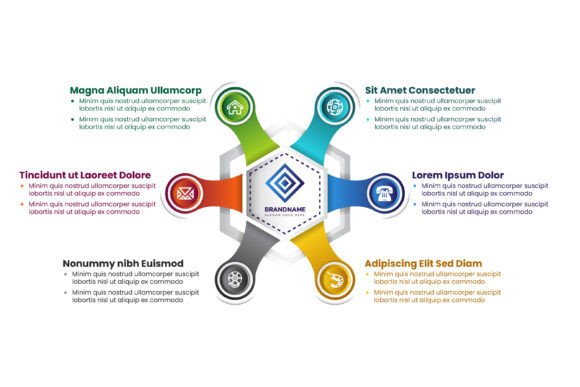
Hexagon Cycle Infographic Review
First Impressions of Hexagon Cycle Infographic
The Hexagon Cycle Infographic immediately catches the eye with its clean, structured layout. The six data points are neatly arranged within a hexagonal framework, creating a sense of balance and order. The design feels modern and professional, making it ideal for business-related embroidery projects or informational displays.
The visual personality of the Hexagon Cycle Infographic is precise and organized. It’s not overly decorative but has enough detail to be engaging. The use of vector illustration gives it a polished look that translates well into machine embroidery designs. This makes it a strong candidate for custom apparel, tote bags, or even embroidered patches.
Real-Life Embroidery Applications
When considering real-life embroidery situations, the Hexagon Cycle Infographic shines in several areas. For example, using it on a custom tote bag design adds a touch of professionalism and clarity. The six data points can easily be adapted to represent key features of a product, service, or brand message.
On sweatshirts or t-shirts, the design offers a subtle yet effective way to convey information without overwhelming the viewer. It works well as an embroidered patch, where the structure of the hexagon ensures that each element remains distinct and readable. The design also fits naturally into baby clothes, where simplicity and clarity are essential.
For holiday gifts or personalized products, the Hexagon Cycle Infographic provides a versatile template that can be customized to fit different themes. Whether it's a seasonal message or a branded logo, the design adapts well to various embroidery applications.
Where to Use with Caution
While the Hexagon Cycle Infographic is a strong design, there are certain scenarios where it may require careful consideration. On small hoop sizes, the intricate details of the hexagon might be challenging to stitch accurately. This could lead to a loss of definition or misalignment in the final embroidered product.
Textured fabrics or thin, stretchy materials can also affect the outcome. The design may not sit flat or maintain its shape properly, especially if the fabric stretches during the stitching process. Dark fabrics might also pose a challenge, as the thread colors need to contrast sufficiently to ensure visibility.
Curved surfaces like caps or hoods can complicate the placement of the design. The hexagonal shape may not conform well to these surfaces, leading to distortion or uneven stitching. Tiny lettering or dense stitch areas should be tested first to confirm that they remain legible after embroidery.
Impact on Visual Appeal and Product Value
The Hexagon Cycle Infographic enhances the visual appeal of any embroidery project by adding a structured and professional look. Its clean lines and balanced composition make it suitable for both handmade products and commercial embroidery work. This can increase the perceived value of the finished product, especially for small shop merchandise or Etsy listings.
From a customer perspective, the design fosters trust and engagement. A well-structured infographic on a custom item signals attention to detail and quality craftsmanship. This is particularly important for personalized gifts or boutique products where the design plays a key role in the overall presentation.
Brand consistency is another benefit. The Hexagon Cycle Infographic can be used across multiple products, ensuring a cohesive look for a business or craft venture. This helps in building recognition and reinforcing brand identity through consistent design elements.
Practical Embroidery Designer Notes
Before committing to a full project, it’s always wise to test the Hexagon Cycle Infographic on scrap fabric. This allows you to assess how the design looks after stitching and identify any potential issues early on.
Checking thread color contrast is crucial, especially if the design will be used on dark or light backgrounds. Ensuring that the colors stand out clearly will prevent the design from looking washed out or unclear.
Reviewing the stitch density is another important step. If the design is too dense, it may cause the fabric to pucker or the stitches to become too heavy. Adjusting the density as needed can help achieve a smoother finish.
Confirming the correct hoop size is essential for accurate stitching. If the design requires a larger hoop than what’s available, it may need to be split into sections or adjusted accordingly.
Inspecting small details such as corners and lettering can reveal whether the design is suitable for the intended application. Testing the design in black and white mockups can also help visualize how it will appear on different fabric types.
Using the proper stabilizer is key to maintaining the integrity of the design, especially on delicate or stretchy fabrics. This prevents puckering and ensures that the embroidery holds up over time.
Finally, confirming the licensing terms before selling finished items or digital products is a must. Even though the product description doesn’t specify these details, it’s always best to double-check to avoid any legal issues down the line.