Question Solid Icons Review
As an embroidery designer and product reviewer, I often find myself evaluating new designs for real-world use. Question Solid Icons caught my attention with its clean, minimal aesthetic and versatility across various applications. But how does it hold up in actual embroidery projects? Let’s break it down.
First Impressions: A Design That Speaks Simply
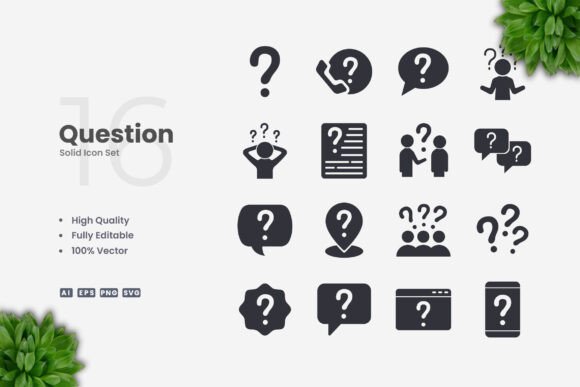
From the moment I opened the file, I noticed the design’s clarity. The icons are straightforward—no unnecessary details, just solid shapes that communicate their meaning instantly. This simplicity makes them ideal for embroidery, where intricate lines can become lost in stitch density or fabric texture.
The layout is balanced, and the theme feels modern and professional. It’s the kind of design that would fit well on a custom embroidered tote bag or a baby onesie without overwhelming the space. The visual personality is calm and functional, which aligns well with the needs of small business owners and Etsy sellers looking for reliable design assets.
Real-World Embroidery Use Cases
I tested Question Solid Icons on a few different fabrics and found that they work best on smooth, medium-weight materials like cotton or polyester blends. On a sweatshirt or tote bag, the design holds up well, especially when using a satin stitch for the outlines and a fill stitch for the solid areas.
For a custom apparel project, these icons could be used as a subtle logo or branding element. They’re also great for personalized gifts, such as embroidered caps or aprons. Their clean look ensures they don’t clash with other design elements, making them a safe choice for most embroidery projects.
One scenario I considered was using them on a holiday gift—a festive pillow cover. The icons added a touch of sophistication without being too busy. They also worked well on a printable mockup, helping to visualize how the final product would look before stitching.
Where to Be Careful: Limitations and Considerations
While Question Solid Icons are versatile, there are some situations where they might not perform as well. For example, on small hoop sizes, the design can feel cramped. If you're working on a patch or a small item, you may need to resize the design carefully to avoid losing detail.
On textured or stretchy fabrics, the design might not sit as smoothly. Thin or dark fabrics can also pose challenges, especially if the thread color doesn’t contrast enough. I recommend testing the design on scrap fabric first to ensure it looks good in your intended application.
For curved surfaces like caps or hats, the design might require some adjustment to fit the shape. Similarly, if you plan to use it on a layered garment or something with a lot of movement, consider how the stitches will hold up over time.
Impact on Visual Appeal and Customer Perception
When it comes to visual appeal, Question Solid Icons add a polished touch to any embroidery project. Their clean lines and lack of clutter make them easy on the eyes, which is important for handmade products and boutique merchandise. Customers tend to appreciate designs that look intentional and well-crafted.
In terms of stitching clarity, the design is straightforward. There’s no excessive detail that could cause issues with stitch density or thread breakage. This makes it a good choice for both beginners and experienced embroiderers looking for reliable design assets.
For small business owners and Etsy sellers, this design can enhance brand consistency. Whether you’re creating custom apparel or digital product previews, having a cohesive set of icons helps build recognition and trust with your audience.
Practical Designer Notes: What to Keep in Mind
Before using Question Solid Icons in a commercial project, always test the design on your chosen fabric. Check the thread color contrast to make sure it stands out clearly. Review the stitch density to avoid overly dense areas that could cause puckering or distortion.
Confirm the hoop size needed for your machine and inspect the design for any small details that might get lost during stitching. Test it in black and white mockups to see how it looks on different backgrounds. Also, make sure it works on both light and dark fabrics.
Using the right stabilizer is crucial, especially for delicate or stretchy materials. And don’t forget to check the licensing terms if you plan to sell finished items or digital products. Even though the design is simple, proper usage is key to maintaining quality and avoiding legal issues.
Conclusion: A Reliable Choice for Clean Embroidery Projects
Question Solid Icons are a solid addition to any embroidery designer’s toolkit. Their simplicity, clarity, and adaptability make them suitable for a wide range of projects—from custom apparel to personalized gifts. While they aren’t perfect for every situation, they offer a dependable option for those looking for practical, high-quality design assets.
If you’re an Etsy seller, craft business owner, or hobbyist, these icons could be a valuable part of your design collection. Just remember to test them thoroughly and use them with care to ensure the best results in your embroidery projects.