Binary Code Icons Review
As an embroidery designer and product reviewer, I often look for designs that are both visually striking and functionally versatile. Binary Code Icons caught my attention with their clean, modern aesthetic and potential for a wide range of applications. Let’s dive into how this design performs in real-world embroidery projects and what it means for your creative workflow.
The First Impression
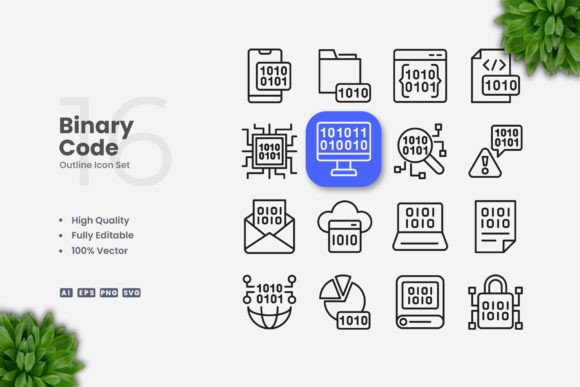
Binary Code Icons immediately convey a sense of digital sophistication. The design uses simple lines and shapes to represent binary code, which gives it a minimalist yet tech-forward vibe. The layout is balanced, with enough detail to be recognizable without being overwhelming. This makes it ideal for projects that require subtle but meaningful visual elements.
The theme of the design is perfect for tech-related products, educational materials, or anything that needs a modern touch. It’s not overly complex, so it works well in both large and small formats. Whether you're creating a custom embroidered tote bag or a digital mockup, the icons maintain their clarity and purpose.
Real-World Embroidery Use Cases
When considering Binary Code Icons for real-life embroidery, there are several scenarios where they shine. For instance, if you're designing a custom sweatshirt for a tech-savvy client, these icons can add a unique, personalized element without clashing with the overall look. They also work well on baby items, such as onesies or blankets, where simplicity and readability are key.
For small business owners and Etsy sellers, Binary Code Icons can be a great addition to a line of handmade products. Whether it's an embroidered patch for a jacket or a decorative pillow cover, the design offers versatility and a professional finish. It also pairs well with other digital design assets, making it a valuable tool for print-on-demand or craft fair vendors.
One of the strengths of Binary Code Icons is its adaptability. You can resize, recolor, or adjust the stroke weight to fit different project needs. This flexibility is essential for embroidery designers who need to tailor their work to specific fabrics, hoop sizes, and stitch densities.
Where to Use with Caution
While Binary Code Icons are generally easy to work with, there are some situations where care is needed. If you're working with small hoop sizes, the design may require careful placement to ensure all details are captured properly. Similarly, on textured or stretchy fabrics, the stitching might not come out as crisp as desired.
Thin or dark fabrics can also pose challenges. On dark backgrounds, the contrast between the thread color and fabric becomes more important. If the design is too light, it might not show up well. Likewise, on thin or delicate materials, the stitch density needs to be adjusted to avoid puckering or damage.
Curved surfaces like caps or hats can also be tricky. The design may need slight modifications to fit the contour without distorting the original shape. For intricate corners or tiny lettering, it's wise to test the design on scrap fabric before committing to a final project.
Impact on Visual Appeal and Product Value
Binary Code Icons add a modern, professional look to any embroidered item. Their clean lines and geometric structure make them stand out without being flashy. This can enhance the visual appeal of your finished product, whether it's a custom apparel piece or a printable mockup.
From a practical standpoint, the design helps reinforce brand consistency. If you're using it across multiple products, it creates a cohesive visual identity that customers can easily recognize. This is especially useful for small shop owners and craft businesses looking to build a strong brand presence.
When it comes to customer trust and engagement, the quality of the design plays a big role. A well-executed embroidery project with clear, precise stitching can significantly increase the perceived value of your handmade product. Binary Code Icons, when used correctly, contribute to that sense of professionalism and craftsmanship.
Embroidery Designer Notes
Before using Binary Code Icons in your next project, there are a few practical steps to take. First, always test the design on scrap fabric to see how it looks in different conditions. Check the thread color contrast against the fabric to ensure visibility and durability.
Review the stitch density to make sure it's appropriate for the fabric type. Some designs may require additional stabilizer to prevent distortion, especially on stretchy or lightweight materials. Also, confirm the hoop size needed for your machine to avoid any issues during the embroidery process.
Inspect small details closely, especially if the design includes fine lines or intricate patterns. Test the design in black and white mockups to see how it translates in different contexts. Compare it against both light and dark fabric backgrounds to ensure it remains legible and attractive.
Lastly, verify that the design is suitable for both personal and commercial use. Confirm the licensing terms before selling finished items or digital products. This ensures that you’re fully compliant and can confidently offer your creations to customers.
Final Thoughts
Binary Code Icons are a solid choice for embroidery designers and small business owners looking for a versatile, modern design. Their clean aesthetic and adaptability make them suitable for a wide range of projects, from custom apparel to digital marketing assets.
With proper testing and attention to detail, these icons can elevate your work and help you create high-quality, visually appealing products. Whether you're an Etsy seller, a craft vendor, or a digital product creator, Binary Code Icons offer practical value and creative potential that are hard to ignore.