Deepfake Icons: Graphics and Icons for Digital Sellers
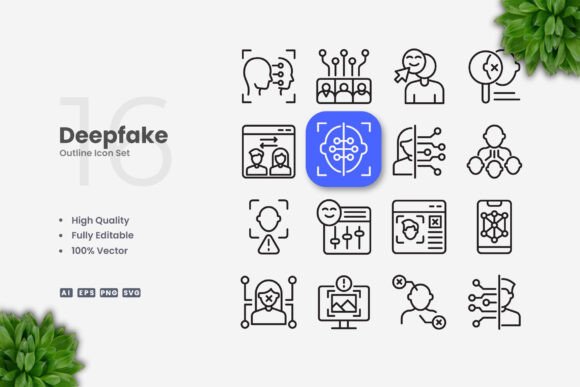
As a digital product creator with years of experience in online selling, I always look for high-quality graphic design assets that can elevate my offerings. Deepfake Icons caught my attention as a simple and clean icon set that could be useful across multiple platforms. In this review, I’ll walk through how I tested these icons for real-world use cases and what they could mean for your online shop.
First Impressions: Clean, Versatile, and Modern
The first thing I noticed about Deepfake Icons is their simplicity. The design is minimal, which makes it adaptable to a wide range of projects. These aren’t flashy or overly detailed—instead, they feel professional and polished. The visual personality leans toward modern and commercial, making them ideal for tech-related products, digital tools, or any project that needs a sleek, contemporary look.
The mood is neutral but versatile. They don’t scream “playful” or “feminine,” which means they can blend into many different niches. This neutrality is a plus if you're targeting a broad audience or want to keep your branding flexible.
Real-World Applications for Digital Sellers
Deepfake Icons can be used in a variety of digital product formats. As an SVG design, they work well for Cricut projects and Canva templates. As a PNG design, they’re perfect for social media graphics, t-shirt designs, or mug prints. Their clean lines make them suitable for sublimation designs, sticker designs, and printable wall art.
I tested them in several scenarios. For example, when paired with a serif font, they added a refined touch to greeting cards and invitation templates. With a sans serif font, they felt more casual and approachable—ideal for planner stickers or blog graphics. When combined with a script font, they created a subtle elegance that worked well for handmade businesses or boutique shops.
They also fit nicely into design bundles. Whether you're creating a seasonal collection, a digital paper pack, or a social media template kit, Deepfake Icons can serve as a consistent visual element that ties the whole set together.
Enhancing Product Presentation
One of the most important aspects of selling digital products is how they look in listings. Deepfake Icons helped improve the visual appeal of my mockups. When used in product mockups, they added a level of professionalism that made the designs feel more complete.
For Etsy products or print-on-demand listings, having a strong thumbnail is crucial. I found that Deepfake Icons stood out in thumbnails without being overwhelming. They also worked well in product bundles, where consistency is key for customer trust and perceived value.
When designing for social media, these icons provided a clean, recognizable element that helped with brand identity. Whether used in Instagram posts, Facebook ads, or Pinterest pins, they contributed to a cohesive visual hierarchy that supported the overall message of the content.
Where Deepfake Icons Shine
These icons are best suited for large product previews, themed bundles, and decorative layouts. Their clean lines make them ideal for printable products, merchandise graphics, and creative marketplace listings. They also work well in product mockups and digital downloads, where clarity and quality matter.
For seasonal collections, they offer a reliable base that can be easily customized with color changes or text overlays. They also support small business branding by providing a consistent visual language across different product types.
Where to Use with Caution
While Deepfake Icons are versatile, there are some situations where they might not perform as well. For instance, they may not be the best choice for tiny sticker details or overly complex layouts where too much visual noise could distract from the main message.
Low-resolution print products might not showcase the detail well, so it’s important to test them at different sizes. Crowded thumbnails or dark backgrounds could reduce their visibility, and weak contrast might make them hard to see in certain contexts.
If you're working on text-heavy templates or projects that require clean cutting lines for Cricut or Silhouette machines, you’ll want to inspect the SVG files carefully to ensure they meet your needs.
Practical Seller Notes
Before publishing any product, I recommend testing Deepfake Icons on real mockups. Preview them as a marketplace thumbnail to see how they stand out. Check how they look on both white and dark backgrounds, and test print colors to ensure they match your expectations.
Verify PNG transparency and inspect SVG cut quality if needed. Confirm file resolution and organize files clearly for your customers. Pair them with different font styles to see how they interact, and always double-check the commercial license before selling finished products.
Whether you're creating a digital download, a Canva template, or a print-on-demand product, Deepfake Icons can add a polished touch to your offerings. Their clean, modern design makes them a solid choice for a wide range of digital sellers looking to enhance their product collections.